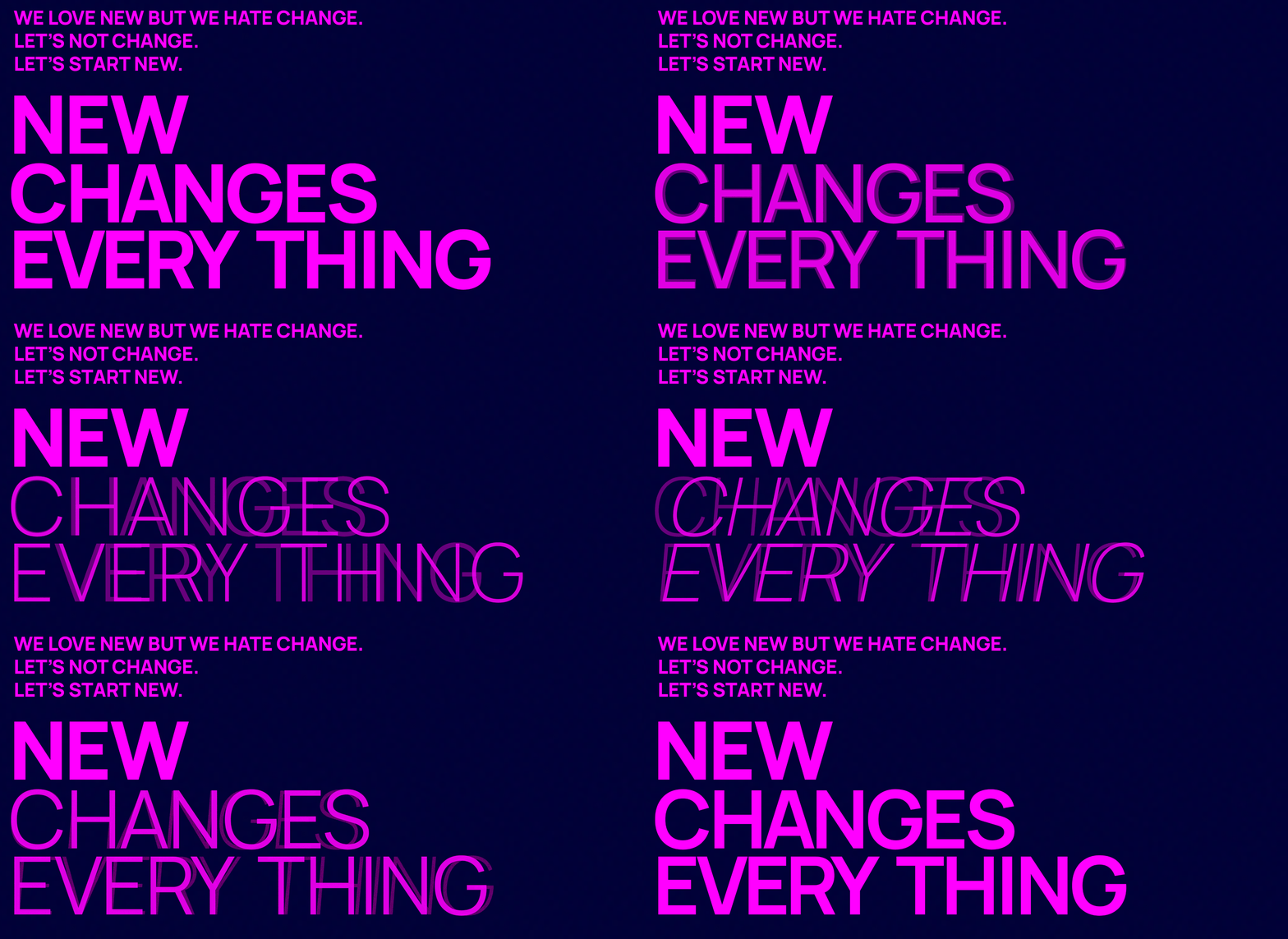
AI has transformed how fast we can create, now we need to transform how accurately we decide what are we creating.
We need next generation of creative process + new decision making methodologies for identifying more accurate problems.
As technology takes over more execution, metacognition becomes a new creative industry competency.
______
IN THIS ARTICLE:
20 years of expert intuition can't be replaced with AI. But intuition needs new decision architecture for more accurate problem definition. Better tools can help experts reach the next level of critical problem-solving in an increasingly complex world.
+
5 helpful frameworks that help us make AI more useful in creative decision-making without compromising our human cognitive vulnerabilities.
+
Let’s rethink critical thinking and consider a new standard for creative decision-making: how to apply metacognition in the new creative process.
______
By VAN RAIS20+ years in creative practice, informed by applied behavioral science.
Inspired by Collette, Matt, Shobha, Kirsten and Q.
September 2026
______
Need for better decisions
Creativity has always depended on many decisions before the work becomes right. In the past, production distributed those decisions across days or weeks. Cost and technical difficulty created natural constraints, but also gave us time to think, prioritize, choose, learn, and rethink.
Technology has removed much of that friction. An idea can become an image, campaign, interface, film, or thoughtful strategy in seconds. And yet, faster execution does not create better decisions.
WE ARE ALL promotED to
the next level
the next level
Yay! More execution goes to the machine, which makes human judgment even more important. That makes 20 years of expert intuition incredibly valuable. But intuition can be inconsistent. Research shows that the same person can make different decisions when given the same information, depending on time of day, fatigue, mood, or environmental conditions. [1]
We must accept an uncomfortable fact: humans are unreliable judges. AI will not automatically correct these weaknesses. Without better decision systems, it can scale them. So we need new structures to guide our decision-making and help us use AI to identify the right problem.
The next generation of
creative process
creative process
How can we use AI to make better decisions in the creative process? New technologies do not create weak human judgment; they amplify it. We rush to conclusions, seek confirming evidence, confuse confidence with accuracy, and prefer coherent explanations over uncertainty. AI gives these vulnerabilities greater speed, scale, and persuasive power.
The problem is not insufficient human intuition. It is an insufficient system for using it.
_________
Research involving 758 BCG consultants found that on suitable tasks, AI users worked more than 25% faster and produced work rated over 40% higher in quality. But on a task outside AI’s capabilities, they were 19 percentage points less likely to reach the correct answer.[2] AI increases capability. It does not guarantee judgment.
__________
Wide framework =
accurate problem
accurate problem
Every creative assignment begins with an interpretation of a real problem: we need a campaign, a new brand, more engagement, customers to trust us, and so on.
With the power of AI and the right understanding, the accuracy of problem definition can be dramatically increased. But only when we have a deep and wide understanding of what we are asking AI.
Distinguish symptoms from causes, stated preferences from observed behavior, and correlation from causation. Make accurate problem definition an explicit stage before creative begins.
What are people doing now? Why are they doing it? Why does their current behavior make sense to them? Which social, emotional, environmental, and organizational forces sustain the problem? What prevents the desired behavior?
What do we need them to do to improve their lives and, in turn, improve business, trust, and engagement? How can we help them adopt behaviors they were not able to adopt before?
5 FRAMEWORKS FOR USING AI IN CREATIVE DECISION-MAKING. What AI can help us do, and what it cannot decide for us.
This are just a few frameworks that help us make AI more useful in creative decision making without compromising our human cognitive vulnerabilities.
It is like playing rock, paper, scissors: recognizing that a decision may be replaced by another option more appropriate or valuable for the situation. Each option can be overridden by another: rock beats scissors, scissors beats paper, and paper beats rock.
1. Accuracy beats precision
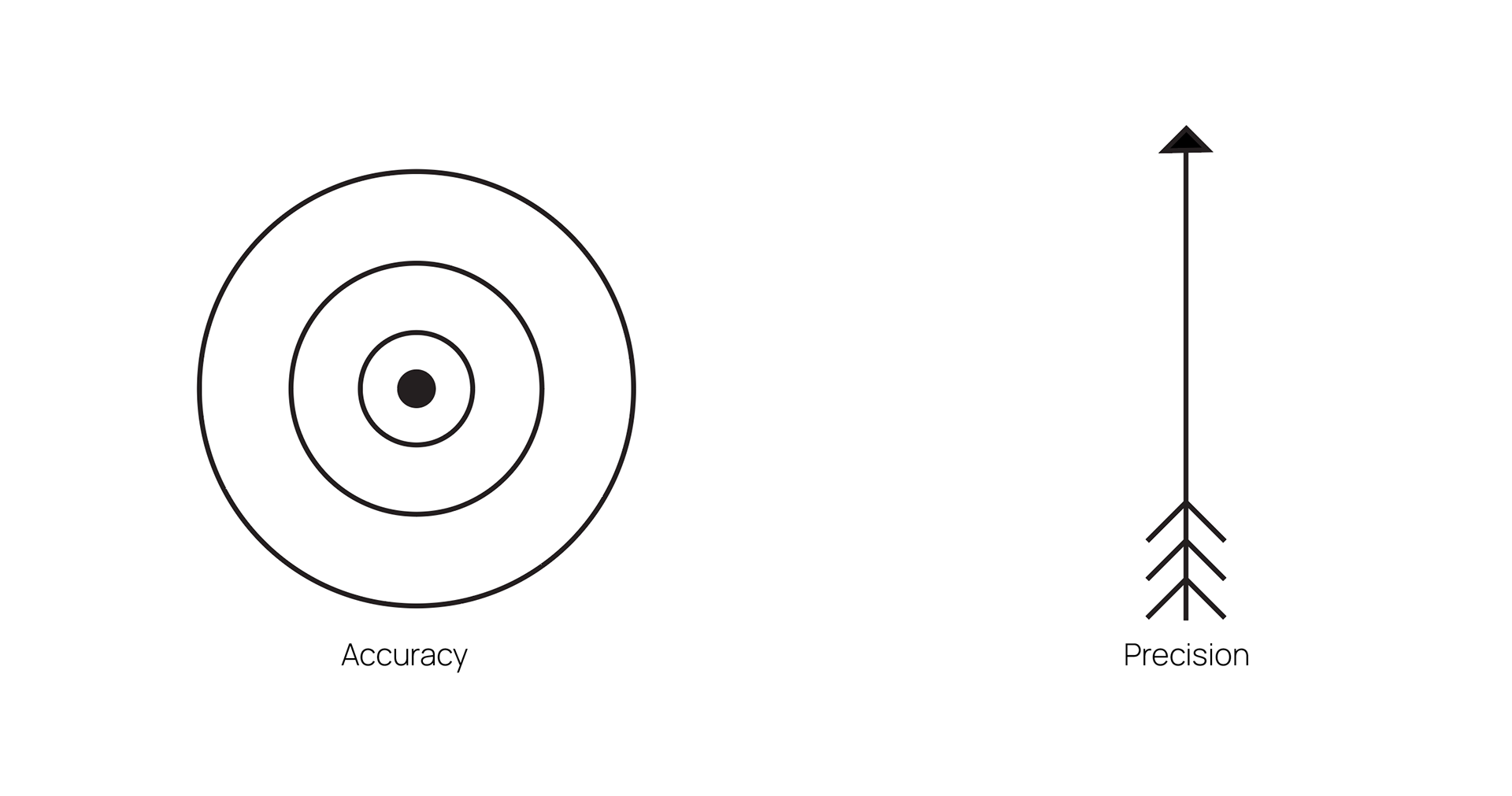
Precision and accuracy are different. Precision means producing a detailed and highly refined answer. Accuracy means correctly identifying the problem that creative must solve.
Accuracy requires wide, evidence-based research and a broad context for understanding what is happening. More specifically, it requires understanding why people do what they do.
AI is exceptionally good at precision. But precision cannot rescue an inaccurate problem definition. A precisely executed solution to the wrong problem is still wrong.
2. Causation beats correlation
Technology can quickly identify patterns across enormous amounts of information. But patterns do not automatically explain why something happened.
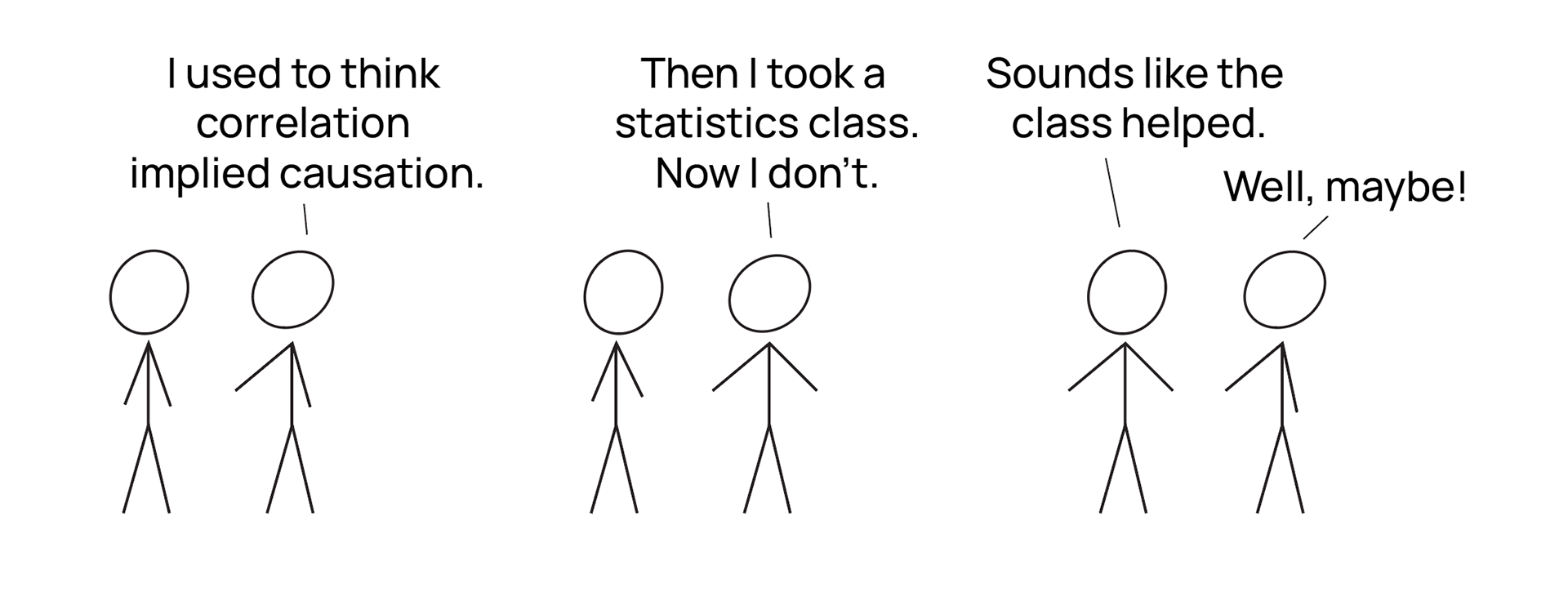
For example: Customers who engage more frequently with a brand may also purchase more. That does not prove engagement caused the purchases. Both could be driven by loyalty, convenience, income, product quality, or another variable.
Finding the direct reason why something happened helps us understand this particular action. When we do, we can scale or replicate this particular behavior. This is causation. And without understanding causation, creative work may address a visible pattern while leaving the true problem untouched.
Another thing, we too often confuse causation with correlation, and we make mistakes. AI amplifies these mistakes and transforms a correlation into an impressively structured explanation. Once presented convincingly, it begins to look like evidence.
3. Refinement beats constraints
AI makes changing the solution almost effortless. We can adjust the headline, copy, color, image, tone, format, and prompt indefinitely. As hunter-gatherers, we are naturally inclined to keep searching for more, and AI gives that impulse an intense sense of creative power.
But activity is not progress. Continued refinement can prevent us from confronting the harder question: Are we solving the right problem?
Without clear constraints, iteration becomes a way of postponing judgment and hard decisions. We feel productive controlling the execution, while the execution gradually takes over our attention.

4. Coherency beats consistency
AI makes consistency cheap. It can reproduce the same style, tone, format, and visual language almost instantly. Coherency makes choices make sense together. It connects the audience, context, behavior, message, medium, and execution to a shared purpose.
Coherency contains consistency. Aim for coherency and consistency will often follow. But consistency alone does not guarantee coherence. Consistency signals familiarity, ease, and fluency. Coherency answers how these choices make sense for the problem we are solving.
5. FLUENCY beats UNDERSTANDING
A polished visual/verbal feels resolved. Fluent language sounds credible. A detailed presentation creates confidence of knowing. This is partly a consequence of processing fluency: information that is easier to process can feel more familiar, coherent, knowledge and believable.[3]
But presentation quality is not evidence that the thinking behind it is accurate. AI can make a weak idea look authoritative and an uncertain answer look certain.
Fluency = easier to process
Cognitive preference = easy
Easy gets read = good
Knowing ≠ Understanding
_________
A Microsoft Research study of 319 knowledge workers across 936 real-world uses found that higher confidence in generative AI was associated with less critical thinking.
The study does not prove that AI causes weaker thinking, but it shows that how we trust AI affects how actively we evaluate its answers. Microsoft Research
The study does not prove that AI causes weaker thinking, but it shows that how we trust AI affects how actively we evaluate its answers. Microsoft Research
_________
THINKING ABOUT THINKING IN THE CREATIVE PROCESS
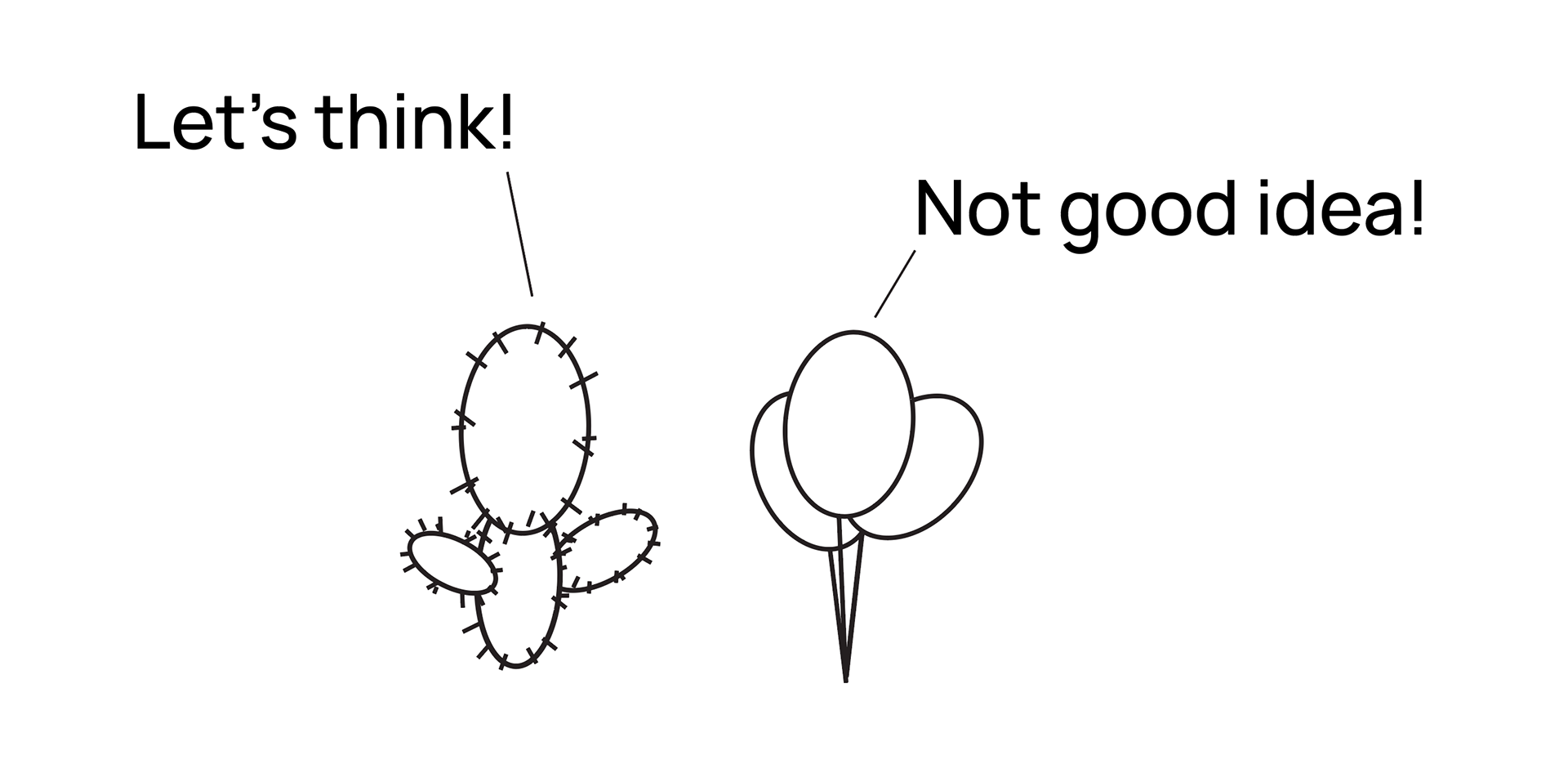
Metacognition is the ability to inspect and manage the mental process producing a creative judgment, NOT to judge the creative output.[4] That distinction is huge. We usually ask “Is this idea good?”.
Metacognition asks “Why do I think this idea is good, and can I trust the process that produced that judgment?”
Metacognition asks “Why do I think this idea is good, and can I trust the process that produced that judgment?”
Creative metacognition can be positioned as a control system, NOT more thinking or overthinking. It is not about thinking longer or thinking more. It’s knowing when your thinking might be unreliable.[5] Technology gives us more power to act. Creative metacognition gives us a better chance of knowing what is worth acting on.
As AI makes execution faster, we need to become more aware of what happens in our own thinking while making decisions. A polished answer can feel more convincing than it is. Speed can feel like progress. Endless possibilities can prevent us from recognizing which problem we are actually trying to solve.
Creative metacognition means examining why an idea feels right, what evidence supports it, what assumptions shaped it, and what may be missing.
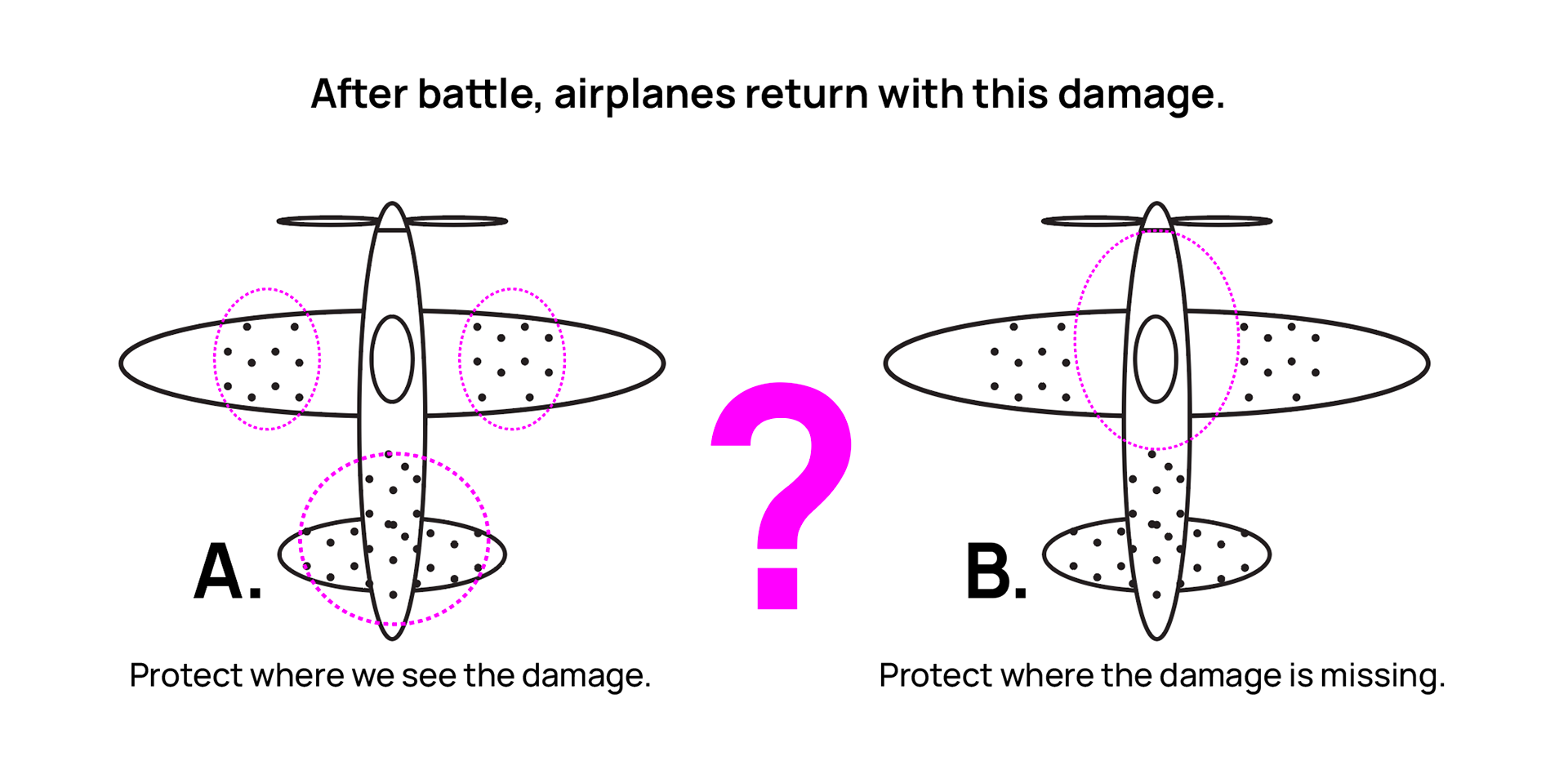
Not wrong but also
not accurate
not accurate
AI answers curiosity immediately, but often prematurely. The most dangerous answer is not necessarily the obviously wrong one. It is the satisfying answer that stops us from asking a better question. AI did not create this weakness. It amplifies it.
How about delaying
intuition
intuition
Daniel Kahneman advocated examining separate dimensions of a problem before forming an overall judgment. Intuition should not be eliminated. It should be applied after the information has been organized.[6]
We need time to question the first interpretation, organize evidence, examine the wider system, and determine whether the presented problem is actually the real problem. Our advantage may increasingly depend on knowing when not to accept the first one. The critical advantage is not saving production time. It is protecting enough time to think before production begins.
_________
Kahneman advocated delaying intuition: examine separate dimensions of a problem before forming an overall judgment. Intuition should not be eliminated. It should be applied after the information has been organized.[6] Interview
_________
REFERENCES
[1] Kahneman, D., Rosenfield, A. M., Gandhi, L., & Blaser, T. (2016). Noise: How to overcome the high, hidden cost of inconsistent decision making. Harvard Business Review, 94(10).
[2] Dell’Acqua, F., McFowland, E. III, Mollick, E., Lifshitz-Assaf, H., Kellogg, K. C., Rajendran, S., Krayer, L., Candelon, F., & Lakhani, K. R. (2025). Navigating the jagged technological frontier: Field experimental evidence of the effects of artificial intelligence on knowledge worker productivity and quality. Organization Science. https://doi.org/10.1287/orsc.2025.21838
[3] Reber, R., & Schwarz, N. (1999). Effects of perceptual fluency on judgments of truth. Consciousness and Cognition, 8(3), 338–342. https://doi.org/10.1006/ccog.1999.0386
[4] Flavell, J. H. (1979). Metacognition and cognitive monitoring: A new area of cognitive-developmental inquiry. American Psychologist, 34(10), 906–911. https://doi.org/10.1037/0003-066X.34.10.906
[5] Lebuda, I., & Benedek, M. (2023). A systematic framework of creative metacognition. Physics of Life Reviews, 46, 161–181. https://doi.org/10.1016/j.plrev.2023.07.002
[6] Kahneman, D. (2018). Daniel Kahneman on Cutting Through the Noise. Conversations with Tyler, November 12, 2018. https://conversationswithtyler.com/episodes/daniel-kahneman/
About VAN RAIS
He successfully brings together strategy, high-end design, and applied behavioral science into a unified system for transformation. His expertise lies in business and brand development, leading Behavioral Branding initiatives for Microsoft, GE, Starbucks, and various scale-ups. His love for art and pop culture makes him feel alive, living in New York City.
Thank you!